Forenames and What They Reveal About Ancestors
-
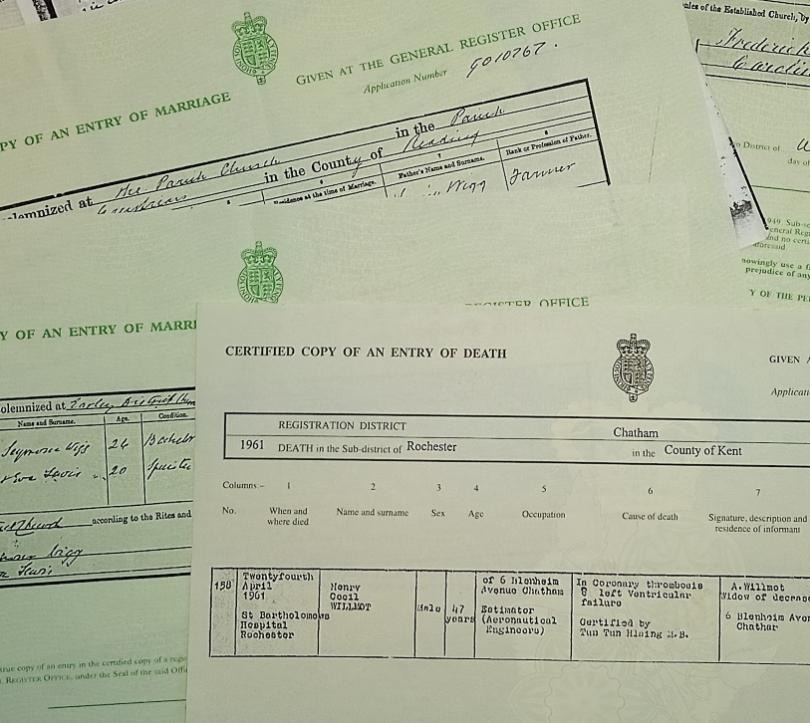
Alongside traditional forenames that have been used across many generations, birth, marriage and death records reveal that there have always been some parents who selected non-standard names. I became interested in the use of such names after discovering several whilst researching my family tree. This inspired me to conduct my own extensive research into the topic, which enabled me to identify particular naming patterns. I linked this into wider social history, considering what the use of certain names might reveal about individual parents, the community, or the times in which they lived. Scope of the talk.
The talk focuses on the period, c1750 – c1950. It covers the main types of forename that I have identified, including tribute names, commemorative names and localised names. It looks at the inspiration for these names, their rise (and decline), what they may indicate to a historian about social class or wider society, and the effect that an unusual forename might have on the bearer. This talk about unusual forenames is suitable for family historians or for general interest groups. It usually generates wide-ranging discussion amongst attendees.
Denise Bates is a historian and writer who is fascinated by nineteenth and early twentieth century British social history. Her talk about unusual forenames in this period is based on her own original research.
After discovering several unusual names whilst researching her own family tree, Denise discovered that these were part of a wider picture.
The talk (which usually generates good audience participation) looks at different categories of forename and what they might indicate about the values of the parents who chose them or the issues affecting society at the time the name was used.