Two Hundred Years of Reading's Weather
Reading's Weather and Climate since 1831
-
Dr Stephen Burt FRMetS, University of Reading, Department of Meteorology, will give this talk in the Garden Hall of Watlington House, access via the double garden gates in South Street.
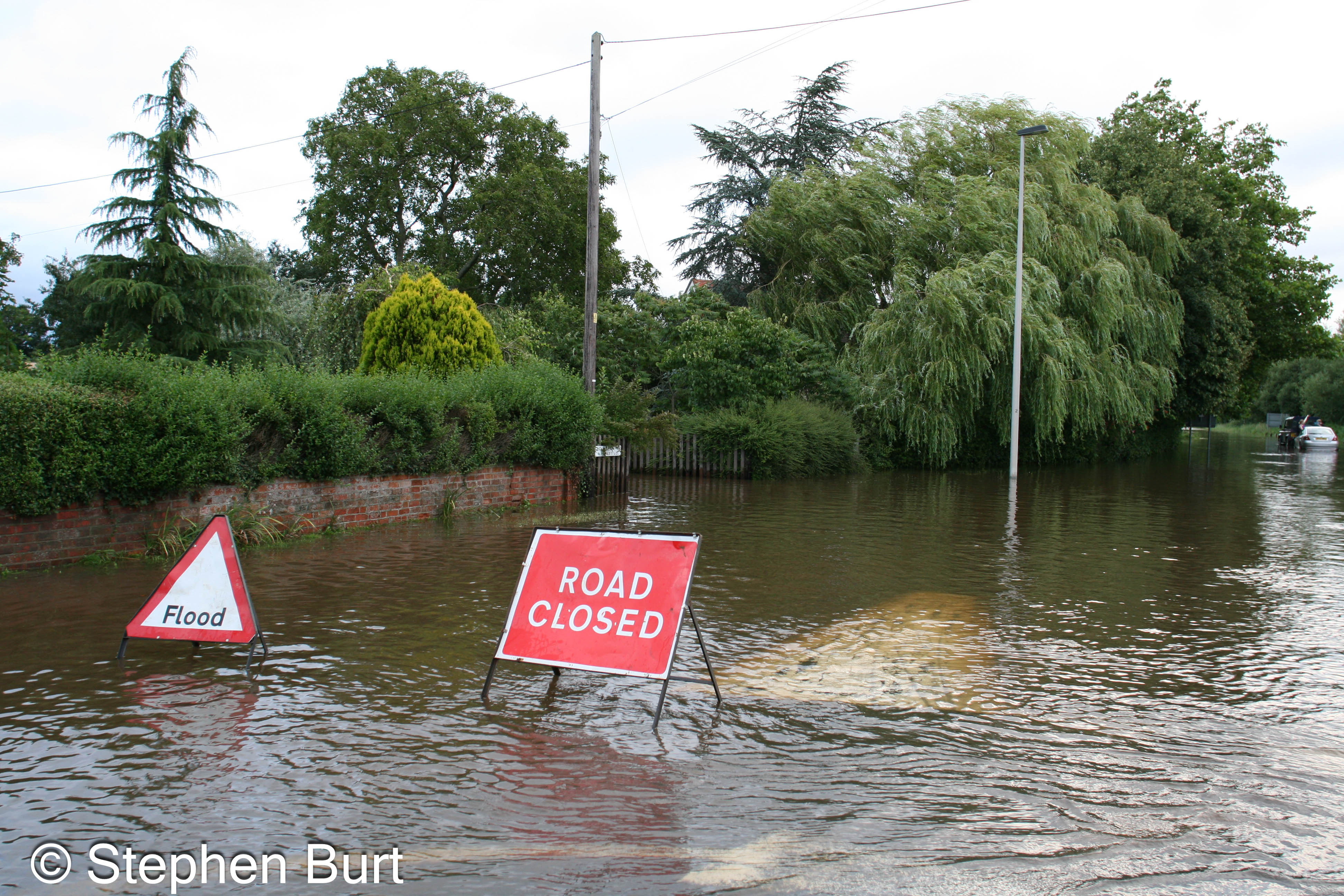
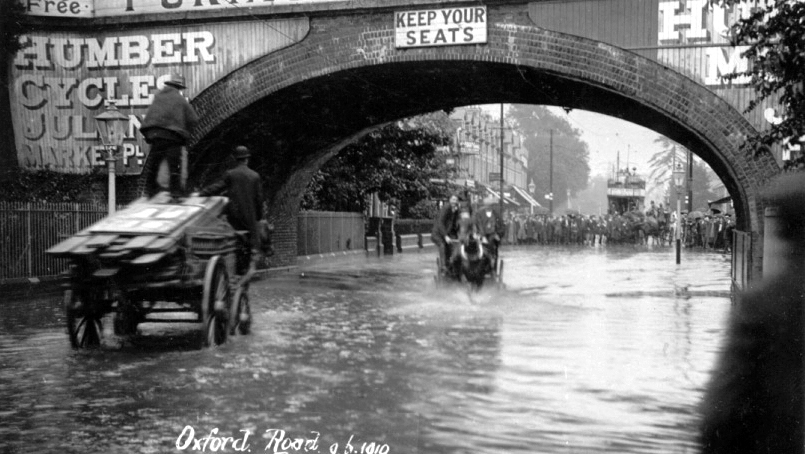
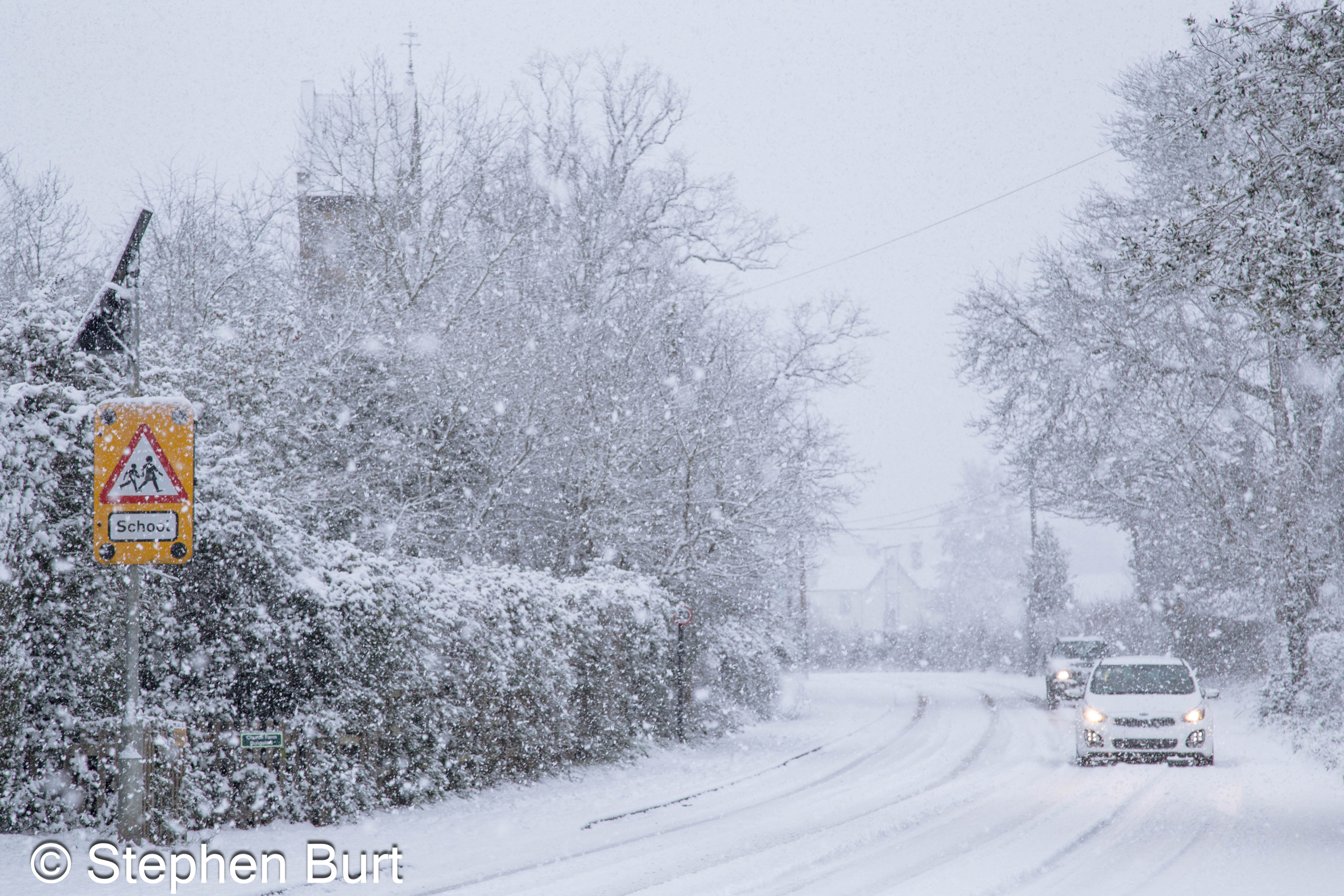
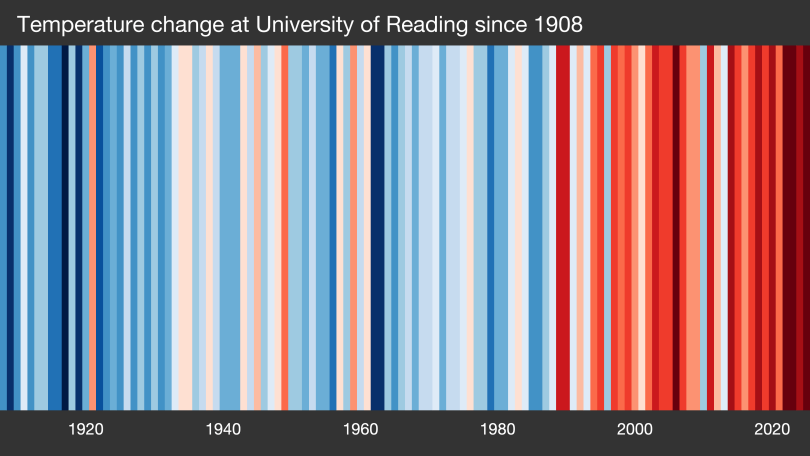
His research into a new book detailing the University’s long weather records as part of centenary celebrations has unearthed many interesting historical facts and photographs relating to Reading’s weather, past and present. This informal talk covers several sources of early weather records in Reading dating from 1831, particularly the record at the university which commenced at the London Road campus in 1908, relocating to Whiteknights in 1968 where it continues today. It showcases the university’s very own climate stripe and unearths two long-lost nineteenth century weather stations in central Reading. Some of the most notable weather events in the last 200 years will be covered , many illustrated with contemporary photographs. These include some of Reading’s most notable floods, heatwaves, snowstorms (including the one that disrupted the London Olympics), and of course Reading’s seven known tornadoes — including the one that killed Henry West at Reading Station in March 1840. In passing he will touch on the aurora, zepplins and even a volcano or two. while in the conclusion we examine the question- has Reading's climate changed?
Stephen began his career in the Met Office in 1977, working on such varied topics as early rainfall radar and operational support during the Falklands campaign in 1982, while completing his Physics degree. In 1985 he swapped the scientific civil service for the computer industry, spending the next 25 years in the private sector. His interest in meteorology remained undimmed, and in 2012 he took early retirement to start a Masters degree in Applied Meteorology at the University of Reading, and from there moved to a research and teaching staff position within the Department of Meteorology, working towards his PhD in Meteorology and Climatology, awarded in 2021. He remains a Visiting Fellow within the Department. Stephen has published widely on many and varied aspects of British climatology, on the performance characteristics of meteorological instruments, and on Britain’s long-period climatological records, including the record from the Radcliffe Observatory in Oxford which began in 1767 and continues today. He has written five books to date, most recently Two Hundred Years of Reading Weather published by the University of Reading Press to coincide with the University’s centenary this year, it forms the basis of today’s talk.
Stephen has been a Fellow of the Royal Meteorological Society for over 50 years: he is also a member of the American Meteorological Society, The Irish Meteorological Society and the Scientific Instruments Society.
Entry Fee
The event is free to Reading Civic Society members. A donation of £5 per head is sought from non-members which will be allocated to the society's work to develop a Blue Plaque Scheme for Reading.
The variety of Reading's Weather